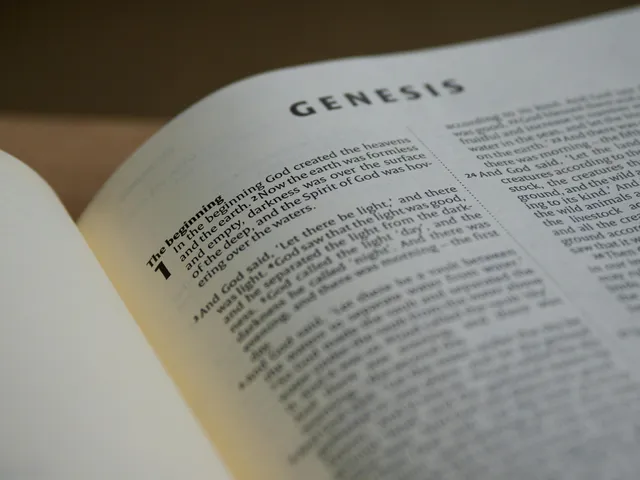
The story of how the New Testament spread across the Roman Empire is not only a narrative of ink and parchment-it's a story of hearts ignited by grace, of courageous believers who carried the message of Jesus beyond borders, and of a divine plan unfolding quietly across dusty roads and gleaming cities. This was not simply a circulation of texts; it was the movement of the Word itself-alive, tested, and unstoppable.
The Roman World Prepared for the Gospel
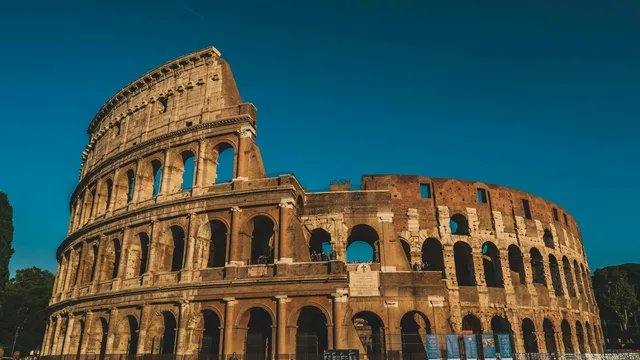
When Christ came, the Roman world was paradoxically both chaotic and perfectly aligned for the spread of His message. The empire's roads knit together lands that had once been isolated tribes and kingdoms. Trade routes hummed with merchants, soldiers, and travelers moving freely under the protection of the famed Pax Romana. Greek remained the common tongue of the Eastern empire, while Latin prevailed in the West, creating a unified linguistic landscape that made communication astonishingly swift for the ancient world.
Into this web of connectivity, God inserted a divine narrative. Galatians 4:4 declares that Christ came "when the fullness of time had come." It was not coincidental-it was orchestration. The infrastructure that Rome built for conquest and control became the very arteries through which the Good News of peace flowed.
From Scrolls to Cities
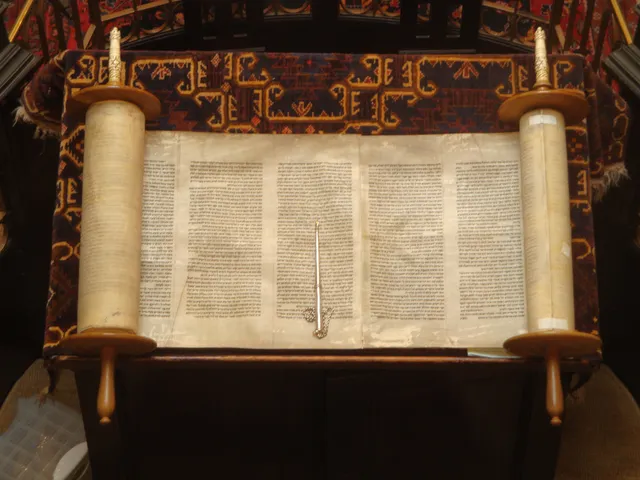
The apostles didn't have printing presses or broadcasting systems, but they had something far more enduring: conviction. As the letters of Paul, Peter, James, and John began to circulate among believers, they traveled the same Roman roads used by traders and diplomats. The message of the cross and resurrection was compact yet revolutionary, easily transcribed, memorized, and passed on. Each parchment was a sacred spark igniting new lights across the empire.
Each community that received a letter became both recipient and messenger. A copy might be read aloud in one home-church in Philippi and then hand-delivered to another in Thessalonica. Over time, these letters formed invisible chains of unity, connecting believers who had never met but shared one Lord and one hope.
Paul's Journeys: Divine Strategy Across the Map
Perhaps no single figure illustrates this divine network better than the Apostle Paul. His missionary journeys read like an intentional map of God's plan for communication. Each city-Antioch, Corinth, Ephesus, Rome-was a key node of culture, commerce, and governance. Paul wasn't merely spreading religion; he was planting hubs of transformation right where ideas and goods intersected.
In Acts, we find him reasoning in synagogues, debating in marketplaces, and sharing Christ with both dockworkers and governors. The gospel didn't move by force, but by attraction-the irresistible beauty of God's grace crossing boundaries that no imperial order could control.
The Power of Shared Letters
Paul's epistles were personal, yet cosmic. They taught, corrected, blessed, and theologized. Written in Greek-the lingua franca of the day-they transcended local dialects. A letter to the Corinthians could be understood in Alexandria; a copy for the Romans could encourage believers in Spain. And this wasn't by human cleverness alone. The Spirit ensured that what was breathed through the apostles continued to breathe life wherever it went.
Even imprisonment couldn't halt the spread. When Paul sat confined, the Word ran free. As he wrote to the Philippians, "What has happened to me has actually served to advance the gospel." (Philippians 1:12) The empire could chain the messenger, but never the message.
The Everyday Messengers
It's easy to envision famous apostles as the heroes of this story, but the New Testament's journey relied just as much on ordinary believers. Merchants, soldiers, craftsmen, and servants carried the message as they went about their lives. A merchant trading cloth in Galatia might share a story of the risen Christ in a new port city. A Roman soldier stationed far from home could whisper the hope of eternal life to his comrade. The gospel didn't require a pulpit to travel-it traveled on feet, through friendships, and in the steady witness of changed lives.
The church spread not primarily by sermons, but by conversations. Gatherings in homes, shared meals, and whispered prayers became the unseen classrooms where faith was formed. In a world of power and spectacle, the gospel moved through quiet faithfulness.
Manuscripts, Memory, and the Living Word
The early Christians treasured written words, but they also understood that Scripture was something alive. Before complete New Testament manuscripts were assembled, believers memorized passages, repeated parables, and preserved the sayings of Jesus in community life. Oral tradition and written text danced together, ensuring that if one copy were lost, the Word remained alive in hearts and voices.
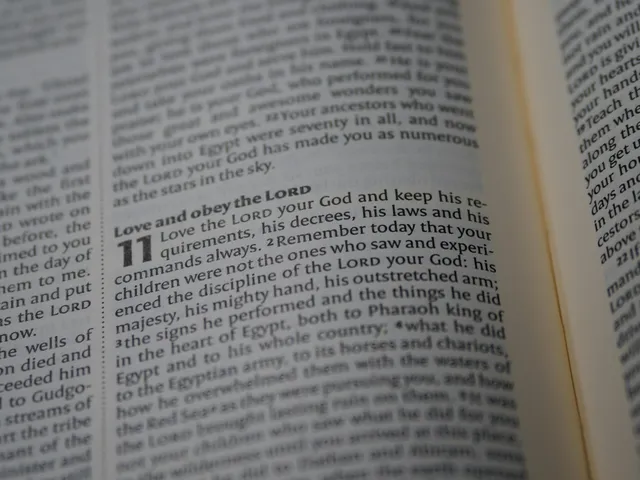
As decades passed, the letters of Paul and the writings of the Evangelists-the Gospels of Matthew, Mark, Luke, and John-began to be recognized as sacred testimony. Church leaders copied and shared them, reading them aloud alongside the Hebrew Scriptures. They weren't inventing a new faith; they were recognizing the written echo of God's saving acts through Christ.
The Quiet Work of Scribes
In candlelit corners of cities like Antioch, Alexandria, and Rome, unnamed believers carefully copied the scrolls by hand. Each stroke of ink was prayerful, reverent, hopeful. Those fragile manuscripts became the DNA of later Christian history. By the second century, collections of Gospel and apostolic writings were circulating throughout the Mediterranean. The Word was no longer local; it was global-even without empire-sized resources.
Persecution and Perseverance
The Roman Empire might have tolerated hundreds of religions, but Christianity challenged the very assumptions that held Rome together. To confess "Jesus is Lord" was to imply that Caesar was not. Believers were mocked, imprisoned, and sometimes martyred. Yet, paradoxically, persecution became propulsion. The scattered church carried the Scriptures wherever it fled. Each act of suppression only spread the seed further.
When believers were forced underground, the Word went underground with them-but never stayed hidden. Secret gatherings in catacombs became sanctuaries of light. Christians whispered the words of Christ in the dark, and faith took root even in the shadow of fear. The empire's might could not silence the message of a crucified and risen Lord who conquered death itself.
The Convergence of Faith and History
By the fourth century, as Christianity gained legal recognition under Constantine, the New Testament writings were already widespread, revered, and largely unified in use across regions. The process of collecting them into the canon was less an arbitrary decision and more a recognition of what the Spirit had already made evident among the faithful. The books that had traveled from city to city, carried by believers of every background, were the very texts that generations of Christians had already proven trustworthy in worship, teaching, and devotion.
Thus, the New Testament didn't just survive the Roman Empire-it transformed it. The empire that once crucified the Lord of glory eventually carved His cross onto its buildings. The Word that began as small gatherings in house churches became the confession of nations.
Timeless Lessons in the Word's Journey
What can modern believers take from this movement of Scripture across empires and ages? First, that the Gospel always finds a way. God's Word has never depended on perfect circumstances, political favor, or technological ease. It thrives through obedience, courage, and love. Second, that faith is always personal before it is public. The same courage that drove Paul across seas and believers through persecution is needed today-though our journeys may take different forms.
In today's digital empire, where ideas flash across the world in seconds, the New Testament's ancient story reminds us that the deepest transformation still happens one soul at a time. The most lasting message is not the loudest, but the truest. We too carry the Scriptures-not on parchment alone, but in our hearts, our words, our actions. Like those first believers, we are walking epistles (2 Corinthians 3:3), living messages of grace.
The Word Still Travels
The New Testament's journey across the Roman Empire was never merely geographical-it was spiritual. It began in an upper room and ended in the heart of civilization, yet its destination is ever onward, reaching new hearts in every generation. The same Spirit that guided Paul's pen, the same love that bound communities in secret, moves still through languages, nations, and lives today.
We are part of the same story. Whether in a city office, a small rural church, or an online conversation, every believer who lives out the message of Christ continues the miracle of Scripture's spread. The empire may have faded, but the Kingdom remains. And the Word, as it always has, continues to run-free, faithful, and full of life.