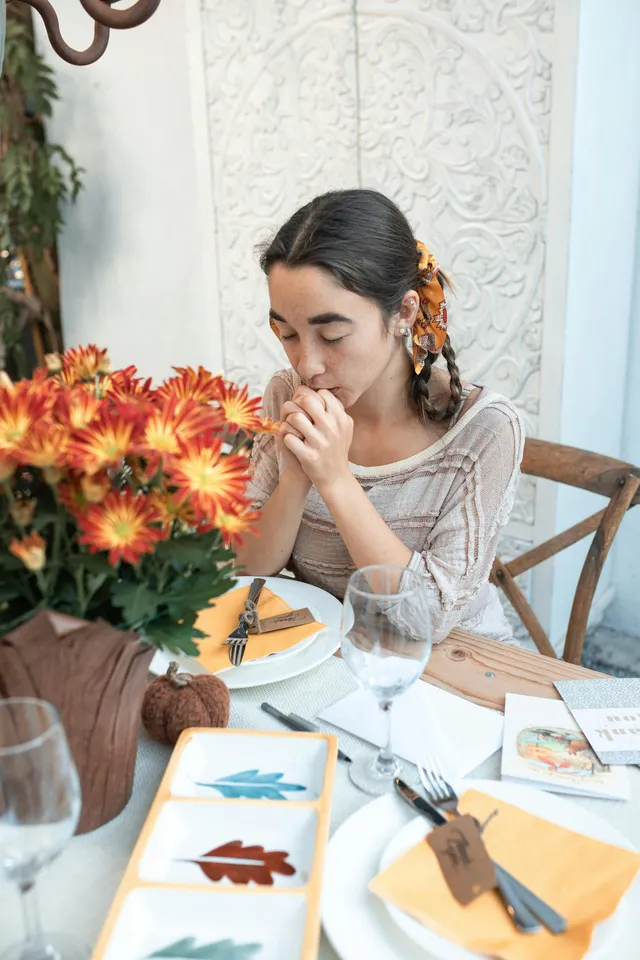
Faith is not built overnight, nor does it thrive on sermons alone. It grows in the everyday - around kitchen tables, bedtime prayers, and shared moments of awe before God's creation. Family traditions have long been one of God's tender gifts for nurturing faith that lasts. They are the rhythms that remind us who we are, whose we are, and what truly matters when the world pulls us in a hundred directions.
The Sacred Ordinary
Some of the most enduring traditions arise not from grand plans, but from simple moments made sacred by consistency. Think of the family that lights a candle before dinner and recites a Psalms, or the parents who ask their children after school, "Where did you see God today?" These moments teach that faith is not reserved for Sunday services-it dwells in the daily fabric of life.
When Moses instructed Israel to teach God's commands, he said: "You shall teach them diligently to your children, and shall talk of them when you sit in your house, and when you walk by the way..." (Deuteronomy 6:7). This wasn't a call to formal classrooms but to continual conversation. Faith becomes part of our children's worldview when we weave it through the ordinary.
Stories That Anchor the Soul
Every family has stories-some inherited, some freshly lived. Christian families have the rich privilege of connecting their own narratives to the larger story of redemption. Telling those stories again and again helps children internalize that faith isn't just what we believe; it is the story we are living inside of.
Share stories of God's faithfulness in your own life. Tell your children how the Lord provided when money ran thin, or how His peace carried you through a time of loss. Let them hear not only the moral of the story but the emotions, doubts, and prayers that surrounded it. Rehearsing these testimonies creates continuity between generations: "I've been young, and now am old, yet I have not seen the righteous forsaken" (Psalms 37:25).
Scripture as a Family Narrative
Read the Bible not as a textbook but as part of your family's living story. Let each account - from Abraham's journey to Mary's obedience - resonate as evidence of God's ongoing faithfulness. Connect what your family faces today with those ancient promises. When children see their own struggles mirrored in Scripture, they learn that the same God who was faithful then is faithful now.
Traditions of Prayer and Worship
Prayer is the heart's daily breath, and when it's shared in a family, it becomes the pulse of the home. Establishing family prayer can be as straightforward as kneeling together before bed or as joyful as singing grace before a meal. What matters most is not formality but faithfulness.
Children remember the texture of their parents' prayers-the tears, the gratitude, the whispered dependence. They carry those sounds into adulthood. By praying together, a family quietly teaches that God is the first one we turn to in joy, in fear, and in need.
Worship That Invites Wonder
Families that make worship part of their rhythm create space for holy wonder. Singing together in the living room, reading Psalms 8 beneath a starlit sky, or thanking God out loud on a morning hike - these practices open hearts. Worship becomes less about performance and more about presence. Through these moments, children learn that glory is not confined to sanctuaries; it fills all places where hearts praise God.
Marking the Seasons
Faith grows when we give it shape through the rhythms of the year. The liturgical calendar offers seasons of reflection and celebration that can anchor a family's spiritual life. Advent, Lent, Easter, Pentecost - each one provides its own texture of waiting, sacrifice, joy, and renewal.
During Advent, some families light candles, read the prophecies, or serve others as they await the coming of Christ. During Lent, families might choose a fast together - not merely to give something up, but to make room for prayer and generosity. And Easter morning? It can become a yearly declaration of resurrection hope: a sunrise breakfast, Scripture reading, and the retelling of why we believe.
When families participate in the ebb and flow of sacred time, they experience faith as a journey rather than a set of rules. These traditions build memory markers - stones of remembrance - much like the ones Joshua set up after crossing the Jordan, so that future generations might ask, "What do these stones mean?" (Joshua 4:6). The answer: "They remind us that God made a way."
Hospitality as a Holy Tradition
One of the most powerful ways to nurture faith is to open your door. Hospitality, far from being a social nicety, is a deeply biblical act that trains the heart in humility, generosity, and love. Christ Himself met people around tables - breaking bread, blessing it, and offering Himself as the sustenance of every soul.
Make hospitality a family rhythm. Involve your children: let them help prepare a meal for neighbors, visit someone lonely, or pray for guests before they arrive. Teach them that to welcome others is to welcome Christ (Matthew 25:35-40). In the process, they'll learn that faith is not a private possession but a gift to be shared.
Cultivating Gratitude and Service
Thankfulness nurtures humility; service strengthens faith in action. Families who serve together discover the joy of seeing God's heart through others' eyes. It could be something as simple as raking a yard for an elderly neighbor or as immersive as a family mission trip. Service roots belief in love, transforming faith from words into deeds.
Keep a gratitude journal as a family. At the end of each week, write down ways you've seen God work. It's astounding how this simple practice can recalibrate the heart. When life grows heavy, those pages testify to His unchanging goodness.
Generosity as a Teaching Tool
Include children in decisions about giving. Let them see how you allocate time and money toward God's purposes. When they watch parents give willingly, they learn that God truly provides all things. They learn that blessings grow when shared. "Where your treasure is, there your heart will be also," Jesus said (Matthew 6:21). A family that gives together discovers the deep joy of aligning its heart with heaven's economy.
Rituals of Remembrance
As years pass, certain family moments stand out-a baptism anniversary, the first answered prayer a child remembers, the night God brought healing or forgiveness. Mark these moments. Celebrate them again. Perhaps create a "God's Faithfulness" box where you keep small reminders: photos, notes, mementos of answered prayer.
These tangible memories help young hearts interpret time through God's faithfulness rather than through fear or chance. They tell the enduring story: we serve a God who acts, who remembers, who redeems. These rituals turn family history into a living testimony.
When Traditions Falter
No family maintains every practice perfectly. Some weeks the dinner prayers will be rushed or forgotten. Some Advents will pass in a blur of busyness. The key is grace. Remember, the goal isn't perfection-it's presence. The traditions are only vessels; it's the Spirit who fills them. Recovery, not rigidity, keeps faith alive.
If a family tradition fades, start anew. Even a single moment of reconnection-a shared prayer, a simple apology, a Song of Songs sung together again-can rekindle the flame. God does not despise small beginnings (Zechariah 4:10). He delights in every heart that turns back to Him.
A Legacy That Endures
Faith-filled traditions shape not only the children who grow up under them but the generations beyond. They form a culture of remembrance that outlives any one person. Grandparents who pray daily for their descendants, parents who keep Scripture visible in their homes, families who serve their neighbors faithfully - they all build legacy. These rhythms become a living inheritance more valuable than any wealth.
One day, your children's children might gather around their own table, telling the stories you once told, repeating the prayers you once prayed. And in those moments, heaven touches earth. That is the hidden strength of family traditions that build lifelong faith: they carry the flame of belief from one generation to the next until, as the psalmist writes, "one generation shall commend Your works to another, and shall declare Your mighty acts" (Psalms 145:4).
Living the Story Every Day
Family traditions that build faith are not about ritual for ritual's sake. They're about keeping God at the center of ordinary life. Whether through prayer, storytelling, hospitality, or gratitude, each practice becomes a small altar - a meeting place between the divine and the daily.
As you look at your family's rhythms, ask: What stories are we telling? What memories will echo in the hearts of those who come after us? The answer isn't found in flawless routines but in faithful love. Keep returning to those simple moments where hearts meet God together. Because in the end, it's not the perfection of our traditions but the presence of Christ among us that builds a faith strong enough to last a lifetime.