Faith never grows in a vacuum. It thrives in conversation, in ordinary kitchens and crowded sanctuaries, in the prayer whispered over coffee and the quiet strength offered through shared tears. Community-the living, breathing network of believers who walk together toward Christ-is not an optional accessory to the spiritual life. It is essential. We were never meant to follow Jesus alone. The journey of spiritual growth finds its deepest rhythm in fellowship, accountability, shared worship, and mutual encouragement. When we allow others to speak into our lives and open ourselves to serve in return, something holy happens: our faith takes root and bears fruit.
Designed for Relationship
From the very beginning, God declared, "It is not good for the man to be alone" (Genesis 2:18). That truth extends beyond marriage; it speaks to the nature of the human soul. We are wired for connection-with God and with one another. The Trinity itself models a community of divine love: Father, Son, and Holy Spirit, perfectly united and delighting in reciprocal relationship. We who bear God's image are invited into that same fellowship, and it's through human relationships that we often experience the depth and texture of His love.
It's tempting, especially in seasons of disappointment or hurt, to withdraw. Many sincere believers have been wounded by community, and solitude can feel safer. Yet isolation becomes a slow erosion. The faith that is not shared and tested within the body grows fragile; its edges dull under loneliness. Spiritual maturity is born where lives intersect, where grace must actually be practiced.
The Early Church's Secret Strength
When the book of Acts describes the first believers, the language shimmers with vitality: "They devoted themselves to the apostles' teaching and to fellowship, to the breaking of bread and to prayer" (Acts 2:42). The miracles, the generosity, the courage-they were fruits of a shared life. Those gatherings in homes and marketplaces gave strength to withstand persecution and joy to sustain daily living.
Community was never a program to the early Church; it was their very identity. In breaking bread, they shared not merely food but faith, stories, and burdens. In prayer, they learned to hear God together. They belonged to one another before they accomplished anything for God. That belonging shaped their mission-their love became their testimony to a watching world.
Why We Need One Another
1. To Be Known
We live in a world of curated images and controlled narratives. But spiritual growth demands authenticity. When you allow another believer to see both your strengths and your struggles, you create the space for grace to do its work. Being known is not about exposure; it's about healing. James 5:16 captures this beautifully: "Confess your sins to one another and pray for one another, that you may be healed." The very act of honest confession-within a trusted circle-releases a spiritual power that isolation can never muster.
2. To Be Shaped
Community refines us. No one enjoys being irritated by another person's quirks or confronted with their differing opinions-but that friction becomes holy ground. Like iron sharpening iron (Proverbs 27:17), our rough edges smooth through real relationship. Growth rarely happens in comfort. It happens in collision. Within the body of Christ, such refining is guided not by competitiveness but by mutual love; it's in serving, forgiving, and receiving forgiveness that we begin to resemble Christ.
3. To Persevere
The Christian journey includes deserts and valleys. There are moments when faith feels threadbare and prayer feels hollow. In those times, others can lend us their strength. A friend's faith can carry us when our own flickers. Galatians 6:2 urges, "Carry each other's burdens, and in this way you will fulfill the law of Christ." A shared load is lighter. In community, perseverance becomes a collective act of grace.
Worship Together: The Power of Shared Presence
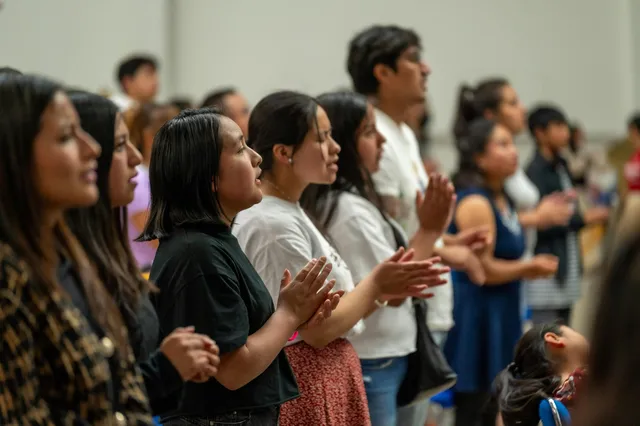
There is a mystery in communal worship that no livestream or quiet personal devotion can fully duplicate. When a congregation gathers and voices rise together, the air itself seems to shift. Worship binds hearts, aligns spirits, and recalibrates our focus toward the eternal. Corporate worship is both expression and formation-it teaches us how to love God in harmony with others.
Some of the Psalmist's most vivid imagery springs from gathered worship. Psalms 133 compares unity to "precious oil," to "dew on Mount Hermon"-symbols of refreshing life and divine blessing. Spiritual growth deepens when we absorb not only God's presence but also the encouragement of fellow worshipers whose faith stories, silent or sung, mingle with our own.
Community as the Training Ground for Love
Jesus' command to love our neighbor is not theoretical. It is tangible, sometimes uncomfortable, often inconvenient. It requires proximity-real human relationship. Community is where love becomes muscle rather than sentiment. Loving the difficult neighbor, forgiving the church member who disappointed us, praying for the friend who betrayed our trust-these are sacred exercises in Christlikeness.
In John 13:34-35, Jesus said, "By this everyone will know that you are my disciples, if you love one another." Not by preaching eloquence, not by moral perfection, but by love. And love can be proven only in the presence of others. When believers live out grace in relationship, the invisible becomes visible: the watching world sees Jesus in flesh and blood, in coffee shared, in service rendered, in patient understanding when none is required.
When Community Hurts
Still, community isn't always idyllic. Churches disappoint, leaders fail, misunderstandings wound. Many bear scars from betrayal or exclusion within Christian circles. To speak of community's importance is not to deny that pain-it's to acknowledge it and still affirm that isolation is not the answer. Healing often comes not in walking away from people but finding healthier expressions of togetherness. God's ideal is not the absence of community but its redemption.
Even Jesus endured the fellowship of flawed companions. His disciples misunderstood Him, argued over status, and ultimately abandoned Him in His hour of need. Yet, He kept calling them "friends." His patience with them-and with us-is an invitation to keep engaging, forgiving, and trying again, to rebuild broken trust through His grace.
Learning to Stay
Staying in community when it becomes uncomfortable can itself be a spiritual discipline. Faithfulness is forged in the long obedience of committed belonging. The easy choice is to leave when conflict arises; the holy choice is to discern, confess, reconcile, and persevere with humility. Every healthy spiritual community has weathered seasons of tension-but those very seasons yield deep fruit when met with prayer and truth-telling.
Hospitality: Making Space for Others
True Christian community expands outward. It is never closed on itself but always has room for more. Hospitality is the outward sign of inward grace. When we welcome others into our homes, our churches, or simply our circle of care, we participate in the heart of God, who continually invites the lost and weary to come home.
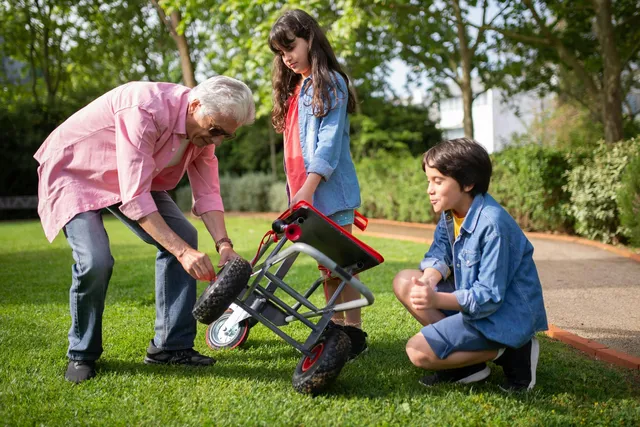
Acts of hospitality-setting another chair at the table, inviting someone to share their story, noticing the lonely-are not small gestures. They are seeds that grow into belonging. And belonging is often what softens hearts to the Gospel more than any sermon. The early believers didn't simply gather for worship; they welcomed others to taste and see that the Lord is good.
Community in the Digital Age
Today's believers face new challenges: hyperconnectivity without depth, online gatherings replacing embodied ones, friendships mediated by screens. Technology can be a gift-it allows long-distance connection and encouragement-but it cannot replace the sacred weight of presence. Spiritual growth still requires embodied community: prayers whispered shoulder to shoulder, communion received hand to hand, burdens carried face to face.
Perhaps the digital moment calls us back to a forgotten truth: Every believer needs both solitude and solidarity. Private devotion refuels the heart, but shared life roots it. One without the other inevitably falters.
Toward a Life of Shared Transformation
When believers commit to one another-to listening, to serving, to growing side by side-transformation multiplies. A spiritual community at its best becomes a living parable of God's kingdom: diverse, imperfect, forgiven, and radiant with joy. The measure of our maturity will always show in how we relate to others. In loving community, we encounter Christ not just in Scripture or prayer but in each other's eyes, laughter, and wounded hands.
Imagine the Church-your local fellowship-as a garden. Each person a plant, uniquely shaped but rooted in the same soil, nourished by the same living water. Growth happens through shared sunlight and the gentle tending of one another's hearts. When one wilts, others provide shade; when one blooms, others rejoice. This is the mystery of spiritual growth through community: we rise together.
Living the Together Gospel
God never intended the Christian life to be a solo expedition. From Eden to Pentecost, Scripture reveals a relentless divine intent: to form a people, not merely individuals. Our faith is personal but never private. Spiritual growth reaches its full stature only as we participate in the collective story of God's grace at work among His people.
If your faith has grown weary, seek out fellowship anew. Share a meal. Join a Bible study. Pray with a neighbor. Step into the mess and beauty of real relationships. There, amid the laughter, patience, and sometimes tears, God's Spirit will move again. You'll find His presence glowing in the warmth of shared life, His character being etched into your heart through those He has placed around you. And you will discover, all over again, that we are most fully alive in Christ when we are together.