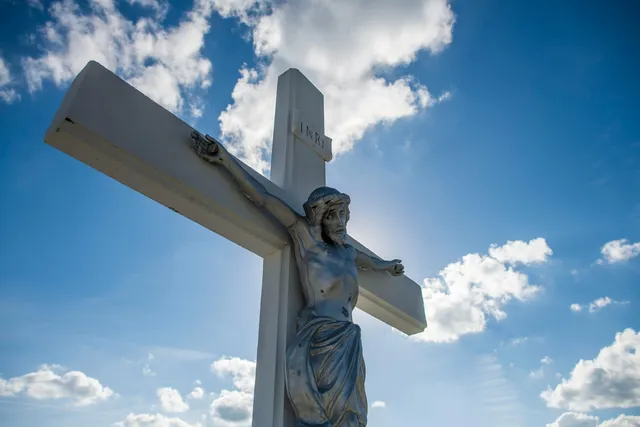
We live in an age that talks freely about brokenness, authenticity, and self-improvement, but rarely about sin. The word itself can sound sharp, uncomfortable-a relic of an older, sterner faith. Yet Scripture never shies away from it. In fact, the story of redemption cannot be told without first facing the reality of sin. To ignore sin is to miss the heartbeat of the gospel.
Sin: More Than Wrongdoing
Sin is not just a list of moral misdemeanors. It is far deeper, far more personal. The Bible describes sin as rebellion against God's goodness, a rupture in the relationship for which we were created. When Adam and Eve reached for the forbidden fruit in Genesis 3, they weren't simply breaking a rule; they were mistrusting the heart of their Creator. They were saying, in effect, "We know better." That posture-self-determination apart from God-is the essence of sin.
Sin is the shadow that spreads whenever we try to live independently of God. It twists our loves, corrupts our desires, and darkens the very image of God within us. This is why Scripture says, "All have sinned and fall short of the glory of God" (Romans 3:23). The standard isn't just moral perfection; it's the radiant glory of divine likeness, the fullness of who we were meant to be.
The Subtlety of Sin
We often imagine sin as dramatic-murder, theft, adultery. But most sin hides in the ordinary: pride, envy, gossip, comparison, indifference. These are the quiet fractures in our hearts that separate us from God and from one another. In C.S. Lewis's famous reflection on pride, he calls it "the complete anti-God state of mind." It is the sin that insists on self at the center of the story.
The Drift of the Soul
Sin rarely arrives with a trumpet blast. It drifts in like fog. Slowly, imperceptibly, we begin to make excuses for what once grieved us. We downplay bitterness, justify our grudges, cling to our comfort. King David's tragic fall in 2 Samuel 11 began not with an act but with a glance, then a yielding of the heart. It's a sober reminder that sin takes root first in the imagination before it ever takes form in the world.
Why Sin Matters
Why take this so seriously? Because sin damages everything it touches. It fractures our identity, poisons our relationships, distorts our sense of purpose, and blocks our intimacy with God. It is not only a violation of a divine law but an assault on divine love. Sin matters because people matter-because every human life bears the image of God, and sin mars that image.
In Psalms 51, after his great sin, David cries, "Against you, you only, have I sinned and done what is evil in your sight." That confession is astonishing. He had wronged Bathsheba, betrayed Uriah, scandalized his nation-yet he recognizes something deeper: every sin is ultimately against God. It's a personal wound to the relationship that gives life its meaning.
The Weight of the Wound
The Bible describes the consequence of sin in many ways-death, separation, bondage, blindness. These are not arbitrary punishments but natural outcomes of turning away from the Source of life. Like a branch cut from the vine, the soul withers when it severs itself from God. Even our best intentions cannot fix the break; only grace can.
The Deceptive Comfort of Minimizing Sin
Modern culture often treats sin as an outdated category. We prefer to speak of mistakes, dysfunctions, or moral differences. But the danger of softening sin is that it softens grace too. When we rename sin, we reduce our need for salvation. The cross becomes sentimental instead of scandalous. And yet, as Jesus said, "Those who are well have no need of a physician, but those who are sick" (Luke 5:31). To understand the beauty of the gospel, we must first acknowledge the depth of our need.
There is no redemption without repentance. The good news is that repentance is not a posture of shame but of liberation. When we confess our sin, we are not wallowing in guilt-we are stepping into truth, which is the atmosphere where grace breathes best.
The Cross at the Center
Every conversation about sin must lead us to the cross. That is where sin meets its match, where justice and mercy intertwine. At Calvary, the full ugliness of sin and the full beauty of love stand face to face. Jesus bore our guilt not abstractly but personally. He became the Lamb who takes away the sin of the world (John 1:29)-the sin that separates us from God, others, and even our own true selves.
At the cross, God does not ignore sin; He overcomes it. He satisfies justice without destroying the sinner. As the Apostle Paul declares, "For our sake He made Him to be sin who knew no sin, so that in Him we might become the righteousness of God" (2 Corinthians 5:21). That exchange-our sin for His righteousness-is the miracle that undergirds every testimony, every transformed life.
Grace Is Not Cheap
Dietrich Bonhoeffer warned of "cheap grace"-forgiveness without repentance, salvation without the cross. True grace does not dismiss sin; it destroys its power. When we are forgiven, we are not merely excused; we are re-created. God's mercy doesn't pat our head and say, "It's all right." It looks us in the eye, names the truth, breaks the chains, and says, "You are free."
Sin and Sanctification
Even after coming to Christ, believers wrestle with sin. The Apostle Paul knew this tension: "For I do not do the good I want, but the evil I do not want is what I keep on doing" (Romans 7:19). The struggle does not mean we are lost; it means we are alive. Before grace, sin was our master. After grace, it is our enemy-but one we can resist by the Spirit's power.
Sanctification is not the absence of temptation but the increasing presence of Christ. The Holy Spirit doesn't simply modify our behavior; He transforms our desires. Slowly, steadily, He refashions the soul so that we begin to love what God loves, hate what He hates, and reflect His holiness in daily life. This is how sin loses its grip-not through sheer willpower, but through deeper communion with God.
When We Fall
Even in a life lived earnestly for Christ, there will be moments of failure. The good news is that God's forgiveness is not exhausted by our weakness. "If we confess our sins," John writes, "He is faithful and just to forgive us our sins and to cleanse us from all unrighteousness" (1 John 1:9). Notice that word: cleanse. God does not merely pardon; He purifies. His goal is restoration, not embarrassment. He invites us to stand again, forgiven and renewed.
The enemy wants our sin to define us; grace insists it does not. We are not our failures-we are God's beloved, redeemed people, learning to walk daily in His light.
The Power of Remembered Grace
Remembering God's forgiveness doesn't lead us to complacency; it leads us to awe. When we comprehend what Christ has done to overcome sin, we learn to hate what once enslaved us. Gratitude becomes the soil where holiness grows. As we meditate on the cross, the question changes from "How much can I get away with?" to "How close can I stay to the One who saved me?"
Why Sin Still Matters Today
We might ask, in a skeptical age, why this language of sin should still matter. Because it tells the truth about the human condition. Every heart knows something is broken. Every story has chapters of regret. To name sin is to name that fracture honestly-and to open the door to divine healing. Denial can numb us for a while, but only confession heals.
The world doesn't need less talk of sin-it needs more talk of grace. But grace can only be amazing when we see what it saves us from. The church's task is not to condemn the world but to bear witness to the cure, to live as those who remember what it means to be found. When Christians acknowledge sin, not as a weapon against others but as a truth about ourselves, humility replaces judgment, and compassion replaces pride.
Living in Light of Grace
To understand sin rightly is to cherish grace deeply. When you know the weight of your chains, freedom tastes sweeter. When you know how far you've fallen, love feels more astonishing. The gospel doesn't humiliate; it heals. It tells us we are worse off than we dared believe-but more loved than we dared hope.
Each day, we face the subtle choices of the heart: to trust God's word or our own wisdom, to walk in the light or wander toward shadow. Sin will always whisper. But so will grace-stronger, steadier, inviting us into repentance and renewal. When we choose confession over concealment, dependence over defiance, we discover the freedom Jesus promised: "You will know the truth, and the truth will set you free" (John 8:32).
A Closing Reflection
What is sin? It is the great unmaking of all that God called good. Why does it matter? Because God loves what He made too much to leave it unhealed. The heart of the gospel is not just that sin is forgiven but that sinners are restored. The story of Scripture is not merely humanity falling into sin, but God, at immeasurable cost, lifting humanity back into life.
In a world weary of shame and striving, the message still stands: Sin is real, but grace is greater. And every time we turn back, every time we trust again, the Father runs to meet us, robes in hand, calling us home.