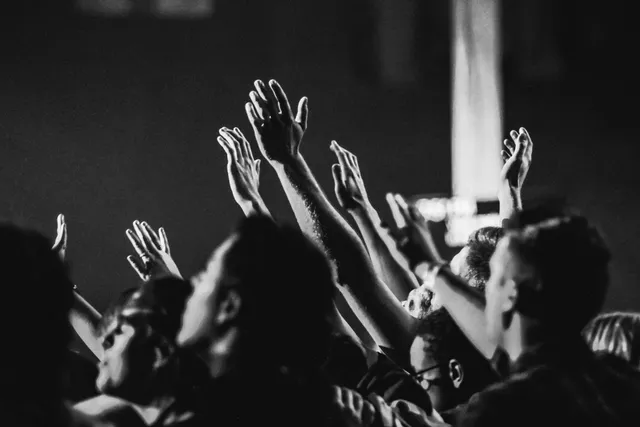
For centuries, the sound of church bells has called people out of their homes to gather, worship, and be reminded that they are part of something greater than themselves. But in an age of livestream services, spiritual podcasts, and online devotionals that fit neatly between morning coffee and the first Zoom meeting, one question lingers: Is physical church attendance still important? The answer-though not simple-remains deeply vital. Because while digital tools can enlighten and encourage, the embodied act of coming together as believers still carries a sacred weight that technology cannot replicate.
The Rise of the Digital Sanctuary
There's no denying the blessing that technology has brought to modern faith. When the pandemic forced doors shut, church communities found new ways to keep hearts open. Livestreamed sermons reached living rooms. Bible study moved to video calls. Giving platforms and prayer apps became our new pews and offering plates. For many, this season illuminated something beautiful: the Church is not confined to a building. The Spirit of God moves through Wi-Fi connections as surely as it does through stained glass.
Yet even as we celebrate this digital transformation, we must also be honest about its limitations. Something subtle happens when worship becomes purely on-screen. Without realizing it, we begin to curate our faith experience. We listen selectively, avoid the uncomfortable, and often slip into a passive posture. "Church" becomes content we consume rather than community we inhabit.
God's Design for Togetherness
From the very beginning, God crafted humanity for relationship. In Genesis 2:18, the Lord declares, "It is not good for the man to be alone." That was not only about companionship but about community-the shared design of people living, working, and worshipping together. When the early Church formed in Acts 2, they met daily in homes and temples, breaking bread, praying, and worshipping as one body. Their faith was both deeply personal and profoundly collective.
In-person fellowship is more than a social habit; it is a spiritual rhythm. Hebrews 10:24-25 urges believers not to neglect meeting together, "as some are in the habit of doing," but to gather so they might encourage one another. The writer understood something timeless: isolation drains spiritual vitality; communion replenishes it.
Presence Matters
When we stand shoulder to shoulder in a sanctuary-voices rising in unison-we encounter something that cannot be downloaded or rewatched later. The laughter during children's sermons, the tears during prayer requests, the quiet power of togethered silence-all of these moments stitch spiritual family into being. Church attendance is not merely about being seen; it's about seeing and sharing.
The Beauty of Embodied Worship
To worship with others in person is to practice the incarnation in miniature. Just as Christ entered our world in flesh and blood, we too meet one another in the flesh-offering presence, not perfection. Our presence itself becomes an act of love. Every handshake, hug, and shared prayer declares: you are not alone.
Consider the power of the sacraments. Baptism and Communion are tangible encounters with divine grace, meant to be experienced in the gathered body. The water splashes; the bread breaks; the cup passes from hand to hand. These holy acts ground us, reminding us that faith is not only spiritual but also physical-rooted in real time and place.
The Church as a Living Body
Paul's image of the Church in 1 Corinthians 12 offers a challenging truth: "The eye cannot say to the hand, 'I don't need you.'" Every believer holds value within the body of Christ. When we withdraw into digital isolation, the whole body suffers. Your presence may be the very encouragement someone else needs to continue in faith. And conversely, their presence may carry the strength or word of grace you've been praying for.
When Technology Serves the Spirit
This isn't a rejection of digital ministry. In fact, technology can be a powerful servant of the gospel when used wisely. Online platforms can reach the isolated-the elderly, the sick, the geographically distant-with a message of hope. They can supplement spiritual growth, providing daily devotional resources, connection points, and opportunities for service.
The key lies in keeping the digital subordinate to the relational. Our screens can illuminate truth, but they cannot replace embodied encounters. Virtual worship should point us back to flesh-and-blood community, not replace it altogether.
Balancing Accessibility and Accountability
One subtle danger of digital-only discipleship is the erosion of accountability. When worship becomes optional, our faith can grow dangerously self-centered. Church attendance offers a gentle but necessary discipline. It calls us to show up-on days we feel inspired and days we do not. It asks us to listen to sermons that challenge us, sing songs we didn't pick, serve people we didn't choose. These small obediences forge maturity in us.
So perhaps the question isn't whether digital worship is good or bad, but whether it's enough. And for the believer longing to grow deeply in Christ, the answer is evident: screens can inspire, but only shared presence can transform.
Why the World Still Needs the Church Gathered
Our fragmented modern world hungers for belonging. Loneliness has become a public epidemic; isolation is an ache that no algorithm can soothe. Into that void, the local church stands as a living antidote-a place of family, forgiveness, and shared mission. When people gather weekly, pray together, confess juntos, and spur one another toward love and good deeds, the world witnesses a countercultural community illuminated by grace.
The Church together becomes a testimony. It testifies that unity can exist without uniformity, that hope can outlast hardship, and that God's people still choose covenant over convenience. And in that testimony, hungry hearts find home.
The Ripple Effect of Showing Up
Every act of attendance carries ripples you may never see. The simple choice to be present-sitting quietly in a pew, greeting someone at the door, singing in the choir-shapes the faith of the next generation. Children notice. New believers notice. Heaven notices. What feels small on a Sunday morning echoes powerfully in eternity.
When Attendance Becomes an Act of Love
There will be seasons when getting to church feels hard. Fatigue, family strain, grief, or anxiety make that short drive feel like a climb up a mountain. But even in those times, showing up is an act of love-love for God, for others, and for your own soul. It's an embodied declaration: I'm still here, Lord. I still believe. I still belong.
And for those who truly cannot attend physically-because of health, caregiving, or distance-the call remains the same: stay connected. Reach out. Let others know you long to be part of the body. Community isn't a location; it's a commitment. But when you have the ability to gather, do so gladly. For in that gathering, hearts knit and hope renews.
Faith for the Digital Generation
The next generations are being discipled through screens far more than sermons. They live in a digital rhythm that feels unending-scroll, like, share, repeat. Yet, as they encounter genuine faith communities in person, they begin to see another reality: one that moves slower, deeper, holier. That experience-the smell of coffee brewing in the fellowship hall, the sound of united prayer-grounds faith in the tangible world God made.
We cannot outproduce the world's media, but we can outlove it. And love requires presence. When younger Christians see their parents and mentors prioritizing corporate worship, it communicates a louder message than a thousand viral posts: that meeting together still matters because God still meets us there.
Returning to the Heart of Worship
Ultimately, church attendance is not about duty-it's about devotion. It's the steady rhythm that reorders our lives around the story of Jesus. Every Sunday is a micro-resurrection-a weekly reminder that the tomb is empty, that hope is alive, and that we are part of His redeeming work.
As you stand amid the voices of others, singing songs of praise, something miraculous often happens: your worries start to shrink in the immensity of God's presence. That, too, is grace. You realize you're part of a living, breathing mosaic of faith. And in that realization, you remember who-and Whose-you really are.
The Gathering Still Matters
In the digital age, every believer must wrestle with how to balance convenience with commitment, accessibility with authenticity. Yet the old truth remains: the Church is not an app to be downloaded, but a body to be joined. There is no substitute for gathering, no algorithm that can replace the warmth of a community worshipping in unity.
So when Sunday comes and the temptation arises to stay home, to tune in later, or to let another week slide by, remember this: your presence is powerful. It speaks of loyalty, hope, and love. It testifies that Christ's body still matters, that His Church still endures.
In an age glowing blue with digital light, the gathered Church remains a lighthouse-steady, sacred, and alive. And when we step into its glow, week after week, we find not only each other but also the Living God who still delights to dwell among His people.