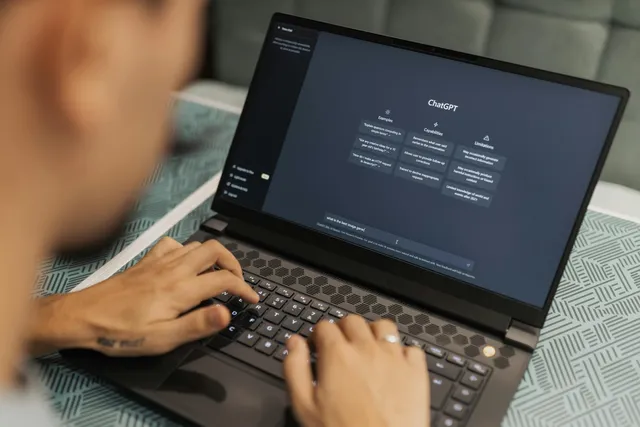
Artificial intelligence is preaching these days-or at least pretending to. In some corners of the world, churches experiment with sermon-generating software, AI prayer companions, and automated pastoral assistants. The headlines raise a provocative question: Can Artificial Intelligence replace pastors? It's a question full of tension-between innovation and incarnation, efficiency and empathy. To answer it, we have to look not just at what technology can do, but at what God designed shepherds of souls to be.
The Shepherd's Voice
When Jesus declared, "I am the good shepherd" (John 10:11), He gave the Church the pattern for pastoral ministry. Shepherds don't merely distribute content. They guide, correct, comfort, guard, and walk with the flock through the rough ground of life. An AI may replicate the words of a sermon, but it cannot replicate the beating heart behind those words.
Consider the pastor who sits quietly beside someone in the hospital, holding a trembling hand. Or the one who weeps at a funeral, sharing a silence only love can interpret. Data cannot discern when to break a silence or offer a prayer. Algorithms learn from patterns; shepherds learn from presence. Jesus' care was never remote or automated-it was embodied. He knelt, touched, listened, and wept. Pastoring, in its truest form, requires embodiment as much as intelligence.
What AI Gets Right-and What It Misses
To be fair, AI has astonishing potential. A sermon-writing tool can analyze Scripture translations in seconds, providing linguistic insights or historical background. It can summarize theological commentaries or suggest sermon outlines. For tired pastors trying to organize thoughts late on a Saturday night, that kind of help might seem heaven-sent.
AI amplifies efficiency-but not empathy. It can point toward knowledge, but it cannot create wisdom. It can echo truths, yet it cannot testify to transformation. The gospel is less about the perfection of words than the power of a life changed by grace. As Paul wrote, "Our gospel came to you not only in word, but also in power and in the Holy Spirit and with full conviction" (1 Thessalonians 1:5).
That conviction does not arise from data but from encounter. The Spirit breathes through personalities, not processors. A machine can simulate compassion by composing gentle language, yet it cannot feel compassion. And ultimately, people know the difference.
The Holy Spirit and the Human Heart
At the core of Christian faith is relationship-between God and His children, between members of His body. Pastoral care is a ministry of the Spirit, who works through human weakness to display divine strength. "We have this treasure in jars of clay," Paul reminds us, "to show that the surpassing power belongs to God and not to us" (2 Corinthians 4:7).
Those fragile jars-flesh, emotion, humility-are not bugs in the system. They are design features. The pastor serves not as a flawless communicator but as a living reminder that grace meets us in imperfection. If we gave the pulpit entirely to a digital projection, we might lose something precious: the trembling voice that betrays awe, the confession of limitation that leads others toward honesty, the tear that wordlessly preaches mercy.
Ministry from Within, Not Merely About
A pastor doesn't just speak about God. They speak from a journey with Him. Sermons flow from encounter, not computation. Every message worth hearing has first passed through the crucible of real life-through prayers unanswered, doors unexpectedly opened, nights of doubt redeemed by dawn. AI can describe those things, but it cannot truly live them. There is no sanctification script to run, no shortcut to soul formation.
In ministry, proximity matters. The Incarnation itself-God with us-proclaims that truth. To lead others in faith, one must walk among them, sharing laughter and loss, prayer and presence. The Spirit often works through those very encounters to do what no code ever could: heal hearts.
The Temptation of Substitution
Still, the temptation will grow. Congregations may seek the flawless homily, polished and prompt, produced by software instead of soul. Churches may dream of round-the-clock "AI chaplains" that message members instantly or answer Bible questions with brilliant accuracy. The efficiency will be enchanting. Yet if efficiency becomes the ultimate goal, discipleship will become dangerously shallow. The Kingdom of God moves at the pace of love, not the speed of information.
After all, history shows that God often chooses slowness: seeds growing quietly underground, prayers germinating over decades, relationships forming through steady trust. Instant understanding is not the same as transformation. The Spirit rarely hastens but always deepens.
A Tool, Not a Teacher
Perhaps the wisest posture toward AI is one of disciplined gratitude. These technologies can indeed serve the Church-organizing data, freeing time, assisting research, even offering accessibility to those with disabilities. But they cannot replace the sacred calling of pastoral love. They can help deliver information, but not incarnation. They can whisper insights, but not interpret souls. The Church must remain clear: AI is a tool, not a teacher.
Used prayerfully, technology might even enhance ministry-for example, by helping pastors connect with isolated members or manage administrative tasks more efficiently. But we must guard against giving sacred responsibilities to unsanctified instruments.
What Pastors Really Offer
In every age, the world has needed more than messages; it has needed messengers. God's people are shaped not simply by sermons but by shepherds who live what they preach. A pastor's presence at a bedside or in a broken home communicates something more profound than eloquence: it communicates God's nearness. Through human touch and holy words, believers taste the compassion of Christ Himself.
When Peter was restored after his failure, Jesus said, "Feed my sheep" (John 21:17). Notice that the command was relational, not procedural. It wasn't "distribute Scripture snippets" or "calculate sermon algorithms." It was an invitation to love through service.
That kind of love leaves fingerprints-on hands anointed with oil, on shoulders bearing one another's burdens. AI, no matter how advanced, remains fingerprintless.
The Future We Must Shape
Perhaps the question, then, isn't "Can AI replace pastors?" but "How will God's shepherds remain faithful amid technological change?" Every generation faces its own Babels-human attempts to touch heaven by building towers of brilliance. Every generation must also rediscover humility, remembering that truth flows downward from heaven, not upward from human invention.
Wise pastors may well embrace AI for the Kingdom's good, just as Paul used Roman roads to spread the gospel and missionaries once used the printing press. Yet tools only serve faithfully when their masters remain obedient to the Master. Innovation without intercession leads only to noise.
To anchor ministry in authenticity, pastors may need to double down on what machines can never do: listening deeply, praying fervently, walking slowly, loving courageously. Those are not technical skills but spiritual fruits. They are not downloaded-they are cultivated.
When the Spirit Leads
Consider again the first-century church. It had no devices, no screens, no amplification-only Spirit-filled believers sharing bread and stories. And yet, that simple fellowship turned the world upside down. When the Spirit leads, simplicity becomes strength. Perhaps the modern challenge isn't to keep up with technology, but to keep in step with the Spirit (Galatians 5:25).
Even in a digital age, people ache for the ancient grace of being known. The most powerful moments in ministry still happen eye to eye, heart to heart. That's where the Spirit whispers, often in voices trembling with both joy and weakness, "You are not alone."
A Closing Reflection
No algorithm can lay hands on the weary, bless a newborn, or discern the Spirit's prompting in a moment of prayer. It can simulate words of comfort but never carry the weight of compassion. As long as humanity wrestles, rejoices, doubts, and hopes, it will need shepherds who bleed and believe.
Artificial Intelligence may someday help pastors in ways we can scarcely imagine-curating resources, easing burdens, enhancing communication. But replacing pastors? No. Because the heart of pastoring is not information, but incarnation. It is God made known through human gentleness, courage, and grace.
So as technology advances and churches navigate the frontier of the future, may we remember the sacred assignment that can never be automated: "Love one another. As I have loved you, so you must love one another" (John 13:34). That is ministry no machine can mimic-and the world still desperately needs it.