Zephaniah, the thirty-sixth book of the Bible, announces the coming day of the LORD—a sweeping judgment that reaches from Jerusalem to the nations. The prophet exposes idolatry, complacency, and injustice, warning that the LORD will search the city and punish complacent hearts.
Yet the book also calls the humble to seek the LORD, promising shelter in the day of anger. It closes with radiant hope: peoples purified to call on the LORD with one voice, a remnant renewed, and God rejoicing over His people with singing.
Chapters of Zephaniah
What is Zephaniah about?
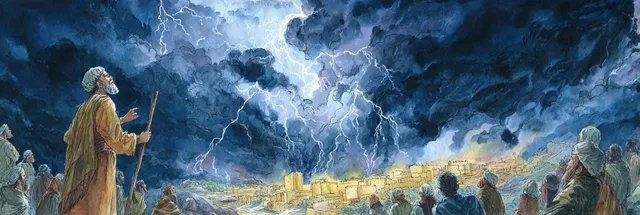
Zephaniah opens with a stark decree: the LORD will sweep away all that exalts itself against Him. Judah's leaders, merchants, and idol-priests are indicted; the LORD will "search Jerusalem with lamps" to expose complacency that says, "The LORD will not do good, nor will he do ill."
The horizon widens to the nations—Philistia, Moab, Ammon, Cush, Assyria—culminating in the taunt over Nineveh, the proud city now desolate. Then the tone turns: God promises to purify the lips of the peoples so they may serve Him shoulder to shoulder. The scattered daughter of Zion is told not to fear, for the King of Israel is in her midst. The book crescendos in intimacy: "He will rejoice over you with gladness… he will exult over you with loud singing."
Thus Zephaniah moves from universal judgment to global worship, from complacency to seeking, from ruin to renewal—centering on a humble and lowly remnant preserved by grace.
Who wrote Zephaniah?
Attributed to Zephaniah son of Cushi, prophesying in the days of Josiah (Zeph 1:1).
What's Zephaniah's meaning and significance?
Zephaniah teaches that the day of the LORD exposes pride and complacency, but humility finds refuge. God judges violent arrogance, then gathers a purified people to rejoice in His presence. The right response is to seek the LORD, practice justice, and wait for His salvation.
Is Zephaniah an important book?
Zephaniah is key for the theology of the day of the LORD, judgment on nations, remnant, humility, purification, and restoration. It pairs sobering accountability with tender promise: the God who shakes nations also sings over His people.
When was Zephaniah written?
Most likely late 7th century BCE (c. 640–609 BCE), on the eve of Josiah's reforms and Assyria's decline.
What are the main sections of Zephaniah?
From indictment and imminent judgment, to oracles against the nations, to promise of a purified remnant and singing restoration.
The main sections of Zephaniah are:
-
Judgment begins at Jerusalem Zephaniah 1Idolatry and complacency condemned; the day of the LORD near and terrifying; searching the city with lamps.
-
Nations rebuked; remnant urged to seek Zephaniah 2:1–3:8Call to gather and seek the LORD; judgments on Philistia, Moab, Ammon, Cush, Assyria/Nineveh; woe to rebellious Jerusalem.
-
Purified peoples and rejoicing God Zephaniah 3:9–20Lips purified for united worship; humble remnant saved; the LORD in your midst rejoices and restores.
Key Elements of Zephaniah
Understanding the main themes, important people, significant places, and key concepts in Zephaniah helps us grasp its message and apply it to our lives today.
Key Themes
Key Concepts
Key People
Key Places
Chapters of Zephaniah
Select a chapter to read and study: