Obadiah, the thirty-first book of the Bible, is the shortest prophetic book, just 21 verses. It announces judgment against Edom, Israel's neighbor and rival, for violence and betrayal during Jerusalem's downfall.
Though brief, the book widens to proclaim the day of the LORD for all nations and ends with the promise that deliverance will come on Mount Zion, and "the kingdom shall be the LORD's."
Chapters of Obadiah
What is Obadiah about?
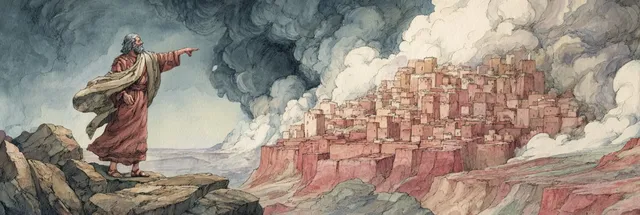
The prophecy begins by exposing Edom's pride: dwelling in the cliffs, they feel secure, but God will bring them down. Edom's betrayal—standing aloof, gloating, looting, and handing over survivors—brings divine judgment.
The vision then expands: the day of the LORD will bring justice to all nations, repaying deeds upon heads. But hope shines for God's people: on Mount Zion there will be deliverance, holiness, and restoration. The book closes with a kingdom vision: God's rule established, His people possessing their inheritance, and all enemies subdued.
Who wrote Obadiah?
Attributed to Obadiah, about whom nothing else is known. His name means "servant of the LORD."
What's Obadiah's meaning and significance?
Obadiah teaches that pride leads to downfall, and betrayal against God's people invites judgment. Yet God's justice is universal: all nations answer to Him. At the same time, Zion will be delivered, and the LORD's kingdom will triumph.
Is Obadiah an important book?
Obadiah is important for the theology of justice, pride, betrayal, judgment, and God's kingdom. It speaks both to Edom's fate and to the assurance that no nation can oppose God's purposes. Its closing vision anticipates the universal reign of God.
When was Obadiah written?
Likely composed in the 6th century BCE, after Jerusalem's fall in 586 BCE and Edom's participation in its plundering.
What are the main sections of Obadiah?
Obadiah unfolds in three movements: judgment on Edom, day of the LORD for the nations, and deliverance on Mount Zion.
The main sections of Obadiah are:
-
Judgment on Edom's pride Obadiah 1:1–9Edom's arrogance in its high places will be humbled by the LORD.
-
Edom's betrayal exposed Obadiah 1:10–14Charges against Edom for gloating, looting, and handing over survivors of Judah.
-
Day of the LORD and Zion's deliverance Obadiah 1:15–21Universal judgment on nations; Mount Zion restored; the LORD's kingdom established.
Key Elements of Obadiah
Understanding the main themes, important people, significant places, and key concepts in Obadiah helps us grasp its message and apply it to our lives today.
Key Themes
Key Concepts
Key People
Key Places
Chapters of Obadiah
Select a chapter to read and study: