James, the fifty-ninth book of the Bible, is a practical letter emphasizing that living faith must produce works. Addressed to scattered believers, it speaks with prophetic urgency about trials, wisdom, favoritism, the tongue, conflicts, wealth, and endurance.
James blends Jewish wisdom tradition with Jesus' teaching, calling believers to be doers of the word and to live with integrity, humility, and mercy in every area of life.
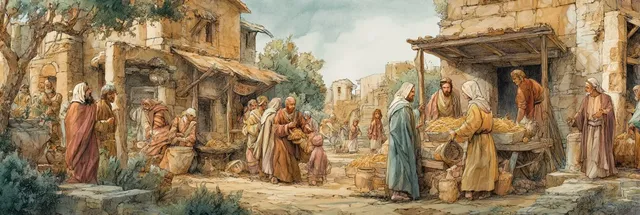
Chapters of James
What is James about?
James begins with a call to count trials as joy, for testing produces steadfastness and maturity. Wisdom comes from God, who gives generously without reproach. Faith must not show favoritism: treating the poor with contempt contradicts the royal law to love your neighbor.
Faith without works is dead—just as the body without the spirit is dead. James insists that authentic trust in God bears fruit in compassionate action. The letter warns against the untamed tongue, pride, quarrels, worldliness, and presumptuous plans. It rebukes oppressive rich and exhorts patience until the Lord's coming.
Closing exhortations call for honesty in speech, prayer for the sick, confession of sins, and restoring the wandering. James is intensely practical, pressing believers to integrate faith with daily life.
Who wrote James?
Traditionally attributed to James the brother of Jesus, leader of the Jerusalem church.
What's James's meaning and significance?
James teaches that genuine faith is active, not passive. It is seen in obedience, compassion, integrity, humility, and perseverance. Trials refine, words reveal the heart, and works demonstrate faith's reality.
Is James an important book?
James is important for the theology of faith and works, wisdom, perseverance, humility, wealth and poverty, community, and prayer. It calls the church to holistic discipleship, where belief and behavior align under God's word.
When was James written?
Likely written AD 45–62, making it one of the earliest New Testament writings.
What are the main sections of James?
James moves from trials and maturity, to true faith and impartiality, to taming the tongue and humility, ending with patience, prayer, and restoration.
The main sections of James are:
-
Trials and wisdom from above James 1Trials produce steadfastness; ask for wisdom; be doers of the word, not hearers only.
-
Faith and works in action James 2No favoritism; faith without works is dead; Abraham and Rahab as examples of living faith.
-
Taming the tongue and living wisdom James 3The tongue's power for harm; wisdom from above is pure, peaceable, gentle, full of mercy.
-
Worldliness, pride, and patience James 4–5:11Submit to God; resist the devil; warnings to the rich; be patient until the Lord's coming.
-
Prayer, confession, and restoration James 5:12–20Let your yes be yes; pray for the sick; confess sins; restore wandering brothers and sisters.
Key Elements of James
Understanding the main themes, important people, significant places, and key concepts in James helps us grasp its message and apply it to our lives today.
Key Themes
Key Concepts
Key People
Key Places
Chapters of James
Select a chapter to read and study: