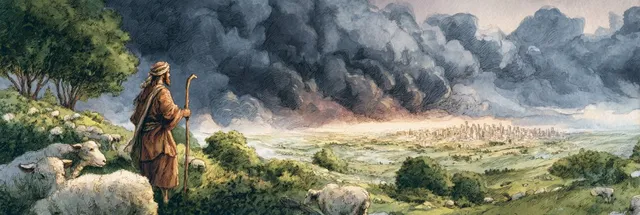
Amos, the thirtieth book of the Bible, records the message of a shepherd from Tekoa sent to confront the northern kingdom of Israel. Though not from a prophetic family, Amos speaks with authority, declaring God's judgment on surrounding nations—and especially on Israel—for oppression, corruption, and false worship.
He warns of exile, visions of shaking foundations, and the collapse of complacent luxury. Yet the book ends with a promise: God will raise up David's fallen tent and bless His people with restoration.
Chapters of Amos
What is Amos about?
Amos begins with oracles against the nations, shocking Israel by indicting their neighbors—only to turn the sharpest words against Israel itself. Wealthy elites exploit the poor, bribes corrupt courts, and worship becomes empty ritual divorced from justice. Famous words ring out: "Let justice roll down like waters, and righteousness like an ever-flowing stream."
The prophet recounts visions: locusts, fire, a plumb line, a basket of summer fruit—symbols of coming judgment. He clashes with Amaziah the priest at Bethel, who tells him to go home, but Amos insists he was called from tending flocks to speak God's word.
Despite the heavy warnings, the final chapter pivots to hope: God promises to restore His people, rebuild David's fallen house, and bless the land with abundance. Judgment is not God's last word; mercy and renewal await the repentant remnant.
Who wrote Amos?
Attributed to Amos, a shepherd and dresser of sycamore figs from Tekoa in Judah, called by God to prophesy to Israel in the 8th century BCE.
What's Amos's meaning and significance?
Amos teaches that true worship demands justice. God rejects religious ritual without righteousness. Social oppression, corruption, and complacency invite judgment, but repentance and covenant faithfulness open the way to renewal. God is sovereign over all nations and holds His people especially accountable.
Is Amos an important book?
Amos is vital for the theology of justice, holiness, covenant responsibility, and restoration. It stands as a prophetic rebuke to hypocrisy and as a foundation for later calls to social justice in both Testaments. The promise of restored Davidic rule echoes into the New Testament (Acts 15).
When was Amos written?
Likely delivered during the reigns of Uzziah of Judah and Jeroboam II of Israel (mid-8th century BCE), a time of prosperity and inequality.
What are the main sections of Amos?
Amos flows from oracles of judgment on nations, to indictments of Israel, to visions of judgment, and ends with a promise of restoration.
The main sections of Amos are:
-
Oracles against the nations Amos 1–2Judgment declared on surrounding nations and climaxing with Israel's own sins.
-
Indictments of injustice and hypocrisy Amos 3–6Condemnation of oppression, false worship, and complacency; famous call for justice.
-
Visions of judgment and confrontation Amos 7–9:10Visions of locusts, fire, plumb line, fruit basket; clash with Amaziah; certainty of exile.
-
Promise of restoration Amos 9:11–15David's fallen tent restored; abundance and security in the land; God's people replanted.
Key Elements of Amos
Understanding the main themes, important people, significant places, and key concepts in Amos helps us grasp its message and apply it to our lives today.
Key Themes
Key Concepts
Key People
Key Places
Chapters of Amos
Select a chapter to read and study: