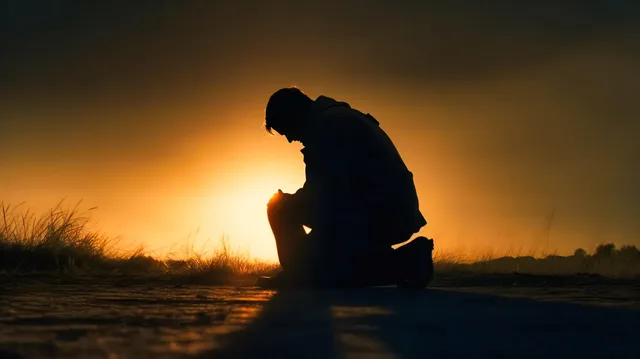
Forgiveness is a word we sing about, pray about, and preach about-but when it touches our personal relationships, it becomes more than a spiritual principle. It becomes a lifeline. Whether between friends, spouses, family members, or fellow believers, forgiveness is the bridge that sustains love when disappointment threatens to divide. In a world that often celebrates self-protection more than reconciliation, the Christian story stands as a radical invitation: to extend mercy as we have received mercy, to forgive as Christ has forgiven us (Ephesians 4:32).
The Fragile Beauty of Human Bonding
Relationships are fragile precisely because they hold such beauty. Every human relationship-no matter how grounded, secure, or loving-will eventually encounter friction. That friction can come as sharp words, unmet expectations, or moments of thoughtlessness that wound someone we care about. The closer a relationship, the deeper those wounds tend to go.
When this happens, two paths appear. One leads toward bitterness and distance; the other, toward understanding and renewed connection. The difference between the two is so often defined by forgiveness-not as a grudging duty, but as a grace-filled choice to love again. Forgiveness is not a momentary feeling but a sustained posture of grace.
Forgiveness in the Light of Christ
Every Christian understanding of forgiveness begins with the cross. The story of our salvation is a story of breathtaking forgiveness. When Jesus looked on the ones who nailed Him to the cross and prayed, "Father, forgive them, for they know not what they do" (Luke 23:34), He modeled the divine heart we are called to reflect. Forgiveness is not weakness; it is the very strength of God revealed through compassion.
To forgive, then, is not merely to erase an offense-it is to join in the redemptive work of Christ. It is to resist the natural urge for vengeance and instead choose to partner with God's healing power. This doesn't mean there are no boundaries, nor that forgiveness erases accountability. Rather, it changes the posture of our heart from condemnation to grace. The act of forgiveness keeps our soul free from the chains of resentment and allows God's Spirit to continue shaping us into people of mercy.
When Forgiveness Feels Impossible
We can speak of forgiveness easily in theory. But in real life-when betrayal cuts deep, or when someone continues to hurt us-it can feel almost impossible. Forgiveness in those moments is not a single prayer or emotional decision; it becomes a process.
Think of Peter asking Jesus, "Lord, how often will my brother sin against me, and I forgive him? As many as seven times?" Jesus' reply must have startled him: "I do not say to you seven times, but seventy-seven times" (Matthew 18:21-22). This wasn't a literal number; it was a spiritual principle. Christ was pointing to forgiveness as a lifestyle, a rhythm of release. Forgiveness is not always a one-time act but a daily surrender of the right to retaliate.
The Weight That Unforgiveness Carries
Unforgiveness doesn't only affect our relationships; it burdens our hearts. Bitterness has a way of growing roots, spreading into thoughts and attitudes that poison joy. Relationships suffer not just with the person who hurt us but with others as well. When our hearts harden, love becomes guarded, empathy shrinks, and trust feels impossible.
But when we forgive, something miraculous happens: the heart releases its grip on pain. The energy once spent rehearsing an offense becomes available for healing, for hope, for new life. And in that newfound freedom, the soul begins to see people through Christ's compassionate eyes.
Forgiveness as a Sacred Practice in Relationships
In marriage, friendship, and community life, forgiveness functions as the oil that keeps the gears of connection moving. Without it, even small misunderstandings can grind relationships to a halt. But when forgiveness is practiced, bonds deepen, trust rebuilds, and grace multiplies.
Forgiveness in Marriage
Marriage is one of the most honest classrooms for forgiveness. Two imperfect people learning to love always means learning to forgive. There are moments when frustration speaks louder than kindness, when exhaustion dulls empathy, and words wound without meaning to. Yet those are the very places where God's transforming work begins. The grace to say "I was wrong" and the strength to say "I forgive you" knit hearts together in ways that few other experiences can.
The apostle Paul's call in Colossians 3:13 rings especially true here: "Bear with each other and forgive one another if any of you has a grievance against someone. Forgive as the Lord forgave you." The power of that command lies in its source-God's forgiveness toward us becomes the wellspring for the forgiveness we share with others.
In Friendships and the Church
Friendships and church communities thrive on mutual trust and shared vulnerability. When wounds occur, as they inevitably do, forgiveness becomes the safeguard of unity. True Christian community is not marked by perfection but by the continuous work of reconciliation. The early church modeled this: believers forged deep fellowship not because they avoided conflict but because they addressed it with humility and grace. They remembered their common forgiveness in Christ and let it shape the way they treated one another.
To forgive a friend or fellow believer is not to minimize the pain they caused. It is to acknowledge that healing matters more than being right, and relationship matters more than pride. Each act of forgiveness strengthens the witness of the body of Christ-a testimony that love truly overcomes offense.
The Freedom Found in Letting Go
One of the most surprising truths about forgiveness is that it heals the one who forgives, not just the one forgiven. Unforgiveness holds us captive to the past; forgiveness releases us into the present. When we cling to resentment, we tie our identity to an injury, allowing it to define who we are. But when we forgive, we reclaim the narrative of our lives from pain and give it back to God's hands.
Forgiveness invites peace back into the soul. It lightens our spiritual load, making room for joy, compassion, and gratitude. Jesus' call to forgive our enemies (Matthew 5:44) was not only a moral command but a gift of liberation. He knew that love cannot thrive in a heart chained to bitterness.
How Forgiveness Builds Trust and Emotional Safety
In a relationship, forgiveness functions like a bridge after an earthquake. It doesn't ignore the cracks; it rebuilds connection across them. That bridge says, "You hurt me, but I still choose to move toward you in grace." Over time, this kind of grace cultivates an atmosphere of safety-where mistakes don't end relationships and failure isn't final.
Psychologically, forgiveness has been linked to lower stress and healthier relationships, but spiritually it does something even deeper: it mirrors the steadfast love of God. When we forgive, we reflect His heart-unwilling to give up on relationship even when it costs something dear. In forgiving, we become co-workers with the Spirit's ministry of reconciliation (2 Corinthians 5:18).
Forgiveness and Boundaries
Forgiving does not mean placing ourselves in harm's way or ignoring wisdom. Jesus Himself set boundaries, withdrawing from crowds and calling out injustice. Healthy forgiveness walks hand in hand with discernment. It seeks restoration when possible but does not confuse reconciliation with permissiveness. The goal is not to erase wrongs but to transform hearts.
Forgiveness is not the denial of truth; it is grace applied to truth. It allows both the forgiver and the forgiven to see more clearly, to grow, and to move forward under God's shaping care.
Forgiveness as a Witness to the World
In a culture bent on blame and self-defense, forgiveness stands as one of the clearest marks of divine love. When others see believers refusing to repay insult with insult, forgiving instead of condemning, they encounter a reflection of Jesus Himself. Every act of forgiveness becomes a small echo of the cross-the place where justice and mercy met in perfect harmony.
When you forgive, you not only preserve a relationship; you bear witness to the resurrection power of Christ working through human weakness. You declare that love is stronger than hatred, and that grace can bloom even on the soil of betrayal.
Living a Lifestyle of Forgiveness
So what does it look like to cultivate forgiveness daily? It looks like prayer-asking God for the humility to see others as He sees them. It looks like courage-choosing to reach out when the easy option is to withdraw. And it looks like faith-believing that God can bring healing where we see only hurt.
Forgiveness may not erase scars, but it transforms them. Scars become testimonies of grace, reminders that what once was broken has been made whole in Christ. Choosing forgiveness again and again becomes an act of worship, a reflection of gratitude for the mercy we live in every day.
A Closing Reflection
Forgiveness is the heartbeat of every lasting relationship and the echo of Christ's love reverberating in the human heart. It is not easy, nor is it quick-but it is holy work. To forgive is to trust that God is greater than the harm done, that His grace can redeem what sin has torn.
In your own relationships-whether family, friendships, or faith community-ask God where forgiveness is needed today. Perhaps it's toward someone else. Perhaps it's toward yourself. Wherever it begins, forgiveness opens a door for God's peace to enter, for love to breathe again.
And as you walk the road of forgiveness, remember this truth: the One who calls you to forgive also walks beside you, guiding every step toward healing. In His presence, there is no wound too deep, no distance too wide, no story beyond redemption.