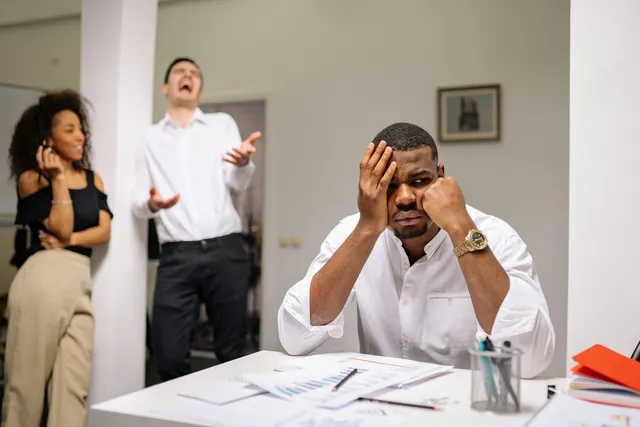
Sometimes the world feels like it's spinning a little too fast. The inbox fills, the phone buzzes, the days bleed into each other-and somewhere between catching up and catching our breath, we forget something sacred: balance. The Bible never calls us to frenzy; it calls us to faithfulness. Yet faithfulness doesn't mean hurry. It means wholeness. So how do we find that quiet place where work, rest, and health meet-where our soul, body, and calling breathe in rhythm again?
Work as Worship, Not Weight
In Genesis, before there was toil, there was purpose. Adam's work in the garden wasn't punishment; it was partnership. God invited humanity to co-labor with Him in the care and cultivation of creation. That's important to remember, because it changes how we view our vocation. What if our work, whatever it is, was never meant to crush us but to connect us?
There's a subtle difference between working for approval and working from approval. When we understand that our worth is already secured in Christ, work becomes an offering, not an identity. Work is meant to express who we are in God, not to prove who we are without Him.
Colossians 3:23 reminds us, "Whatever you do, work at it with all your heart, as working for the Lord." That transforms even the most mundane tasks into sacred activity. The spreadsheet, the classroom, the meeting, the kitchen-each becomes a place where we honor Christ. But even holy work must not take the place of the Holy One.
Learning the Language of Rest
Rest is not laziness; it's trust. When God rested on the seventh day, He didn't need recovery time-He was modeling rhythm. In resting, He declared creation good, complete, enough. Our difficulty in resting often reveals our struggle to believe the same: that what we've done is enough for today, and that who we are is enough for His love.
The Sacred Pause
To pause is to proclaim, "God is in control." Every time we refuse the relentless demand for more productivity, we bear witness to a deeper truth-that the world doesn't revolve around our effort, but around His grace. Sabbath rest is more than a day off; it's an act of resistance against idolatry of achievement.
Think of Jesus asleep in the boat amid the storm (Mark 4). His calm wasn't a lack of concern-it was confidence in the Father. That's what rest looks like: not ignorance of the storm, but inner stillness in the midst of it.
The Stewardship of Health
We often separate "spiritual" life from "physical" care, but Scripture never does. God formed us body and spirit. Our health-mental, physical, emotional-is sacred ground too. Paul calls the body the temple of the Holy Spirit (1 Corinthians 6:19), which means how we treat it honors or hinders our worship.
Sometimes, disciplined sleep, nourishing meals, and exercise can be quiet acts of obedience. Other times, tending to mental and emotional well-being-through prayer, community, or counseling-is a declaration that our Creator values both our hearts and our humanity.
Listening to the Body's Whisper
Exhaustion often begins with whispers before it becomes shouts. Headaches, irritability, numbness-these are invitations to slow down, not inconveniences to push through. Listening to them is an act of humility. It's saying, "Lord, I am finite. You are not." Because the truth is, even our limits are gifts. They remind us where we end and where grace begins.
When Seasons Shift
Balance doesn't mean static perfection-it means holy adaptability. Ecclesiastes reminds us "there is a time for everything." Some seasons demand more energy for work, others a deeper investment in rest. Parenthood, ministry, illness, recovery-each brings its own rhythms. The key is not to find a formula but a flow.
When Elijah fled to the wilderness, weary and fearful (1 Kings 19), God didn't begin with a lecture; He began with rest and food. Only after Elijah ate and slept did he hear the still small voice. There's wisdom in that pattern: sometimes our spiritual droughts are best met first with a nap and a meal before another mission.
God's pace is patient, never panicked. Learning to walk with Him means being attentive to the season you're in and honest about what it asks of you.
Creating Rhythms, Not Rigidity
Just as music depends on both sound and silence, a balanced life depends on both labor and leisure. Instead of rigid rules, create sacred rhythms that invite peace back into your days.
Daily Rhythm
Start and end your day with God, even briefly. A whispered prayer before reaching for your phone, a moment of gratitude at night. These are the anchors that keep the soul steady amid the tides of work.
Weekly Rhythm
Choose one day-or part of a day-to truly rest. Turn off the screens. Go for a walk. Worship. Share a meal with others in laughter. Don't rest as an afterthought; rest as a way to remember you are more than what you produce.
Yearly Rhythm
Set boundaries for renewal, not just recovery. Sabbaticals may be rare, but small getaways or intentional retreats can recalibrate the soul. Jesus often withdrew to lonely places to pray (Luke 5:16)-not because He needed escape but because communion requires quiet.
Balancing From the Inside Out
True balance isn't external; it's internal. You can organize your calendar perfectly and still feel dizzy inside. Balance begins with belonging-to Christ. When you're rooted in Him, the storms outside can't undo the peace within. His presence reorganizes priorities and redefines what's enough.
Inner balance grows where trust replaces control. The more we trust God with outcomes, the less we carry undue weight. Philippians 4:6-7 instructs us to present our anxiety to God, and the result is not necessarily a changed circumstance but a guarded heart and mind.
When You Falter
Even with best intentions, we all slip out of rhythm. Maybe burnout caught you by surprise. Maybe you rested so long it turned into avoidance. Remember grace. Balance is not about perfection; it's about return. God doesn't shame you for imbalance-He calls you home from it. Each sunrise is a new invitation to live wisely, not wearily.
Sometimes, rebalancing starts small: choosing a slower morning, saying "no" to one extra commitment, opening Scripture before email. Faithful living is built in the small choices repeated in peace.
Living the Harmony of Wholeness
Finding balance between work, rest, and health isn't a self-help project; it's a spiritual practice of alignment. It's remembering that God desires wholeness, not hustle. From the stillness of Eden to the quiet hillside where Jesus prayed, the message is consistent: presence matters more than productivity, communion more than competition.
If your soul feels thin and hurried, pause and look upward. The same God who designed the spinning galaxies also designed your need for sleep, laughter, reflection, and love. When you live in His rhythm, you find the music of life again-the kind that hums even in silence.
Let your work be worship, your rest be reverence, and your health be holiness. And may your days, however busy or quiet, become a living hymn-balanced, beautiful, and full of grace.