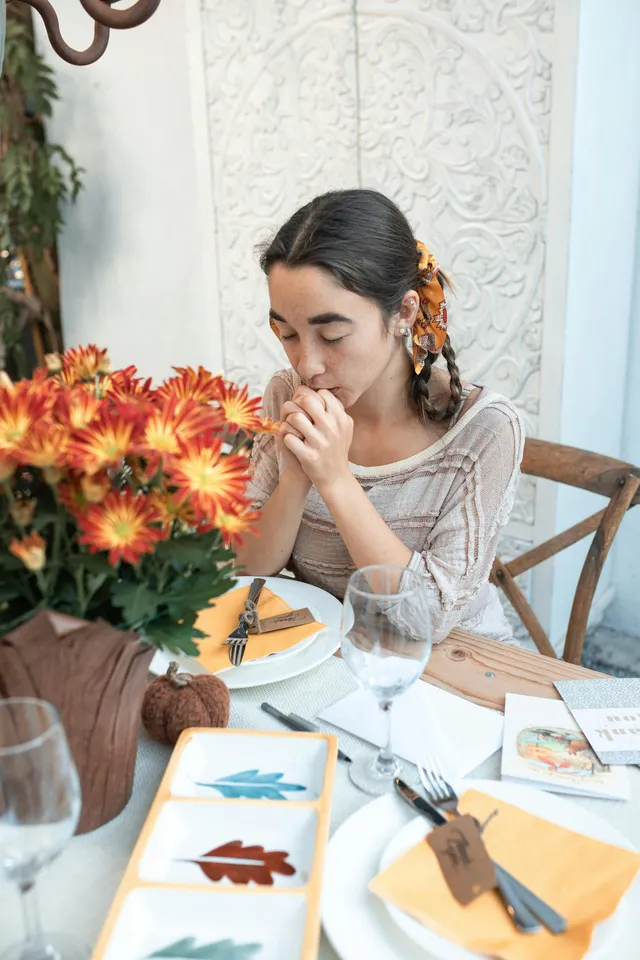
Opening Our Eyes to the Everyday Miracle
Gratitude changes everything. It isn't simply a posture of politeness, or the well-mannered response when someone passes the potatoes at Thanksgiving dinner. It is the heartbeat of a soul awake to grace. A grateful heart perceives beauty where others see routine; it finds abundance where others see lack. In many ways, gratitude is a form of worship-it points beyond the gift toward the Giver. As the Psalmist proclaimed, "Give thanks to the Lord, for He is good; His love endures forever." (Psalms 107:1)
When we live from a place of thankfulness, the ground beneath our feet becomes sacred. The morning sunlight isn't just another dawn-it's a soft whisper of divine faithfulness that carried us through the night. The laughter of children, the scent of dinner cooking, even the quiet moments of prayer or sorrow all weave into a broader tapestry that shimmers with the evidence of grace. Thanksgiving, then, becomes not a date on the calendar but a daily rhythm of the soul.
May our hearts stay awake to the ordinary wonders of each day, and may we never take even the smallest kindness for granted.
The Journey from Gratitude to Transformation
True thanksgiving is more than saying "thank you." It's an inner movement that changes how we see ourselves and the world. Gratitude reminds us that we are not the center of the story; we are part of something vast and good. Every blessing received-health regained, relationships restored, strength to endure hardship-marks an encounter with divine mercy.
Think of the way a desert responds to rain. Dry earth cracks open, welcoming every drop. So, too, our weary hearts open when gratitude pours in. Hard circumstances may not change immediately, but our viewpoint shifts. What once seemed like wilderness begins to show new life. Gratefulness trains us to trust that goodness can rise where we least expect it.
May we learn to see every season, joyful or difficult, as fertile ground for grace, and may gratitude become the rain that turns our deserts green.
May thanksgiving give us wisdom to discern God's hand at work in both bright and shadowed days.
Stories at the Table of Remembrance
One Thanksgiving years ago, I sat at my grandmother's kitchen table watching her stir gravy in a worn saucepan. She was humming softly, her hands moving confidently, eyes shining with the quiet memory of years gone by. She told me about a Thanksgiving during wartime, when ingredients were scarce and hope even scarcer. "We didn't have turkey then," she said with a smile, "but we had each other-and somehow, that was enough." Her story was a sermon in itself: contentment doesn't depend on abundance, but on perspective.
Every family carries its own sacred stories-tales of survival, reconciliation, forgiveness, and faith. Around those stories, we see that gratitude isn't blind to pain; rather, it remembers that even in pain there can be purpose. When we thank God for what He's brought us through, our remembrance becomes an act of healing. Each story of grace told at the table strengthens the next generation to face their own trials with courage and hope.
May the stories of those who came before us inspire courage in our hearts and compassion in our actions.
May gratitude connect generations, reminding us that our shared history is a thread of grace woven through time.
Courage to Give Thanks in Hard Places
It is one thing to give thanks when life is sweet, and another to give thanks when we are stretched thin by grief or uncertainty. Yet Scripture continually invites us to this deeper thanksgiving: "Give thanks in all circumstances; for this is God's will for you in Christ Jesus." (1 Thessalonians 5:18). This command is not an invitation to deny pain, but to find within it the steadfast presence of God.
When a friendship fractures, when a dream slips away, or when a season of struggle seems never-ending, thanksgiving may feel forced. But it is in those difficult moments that gratitude becomes most powerful-a declaration of faith that hope is not lost. Gratitude in hardship looks like a weary heart still whispering, "I trust You."
May thanksgiving in adversity give us courage that outlasts fear and peace stronger than circumstance.
May the light of gratitude burn softly within us, even when shadows fall thick around our path.
The Blessing of Daily Bread
At the heart of gratitude is simple provision. When Jesus taught His followers to pray, He included this humble request: "Give us today our daily bread." Bread-not feasts, not abundance beyond measure, but enough. In a world driven by excess, the prayer for daily bread reorients us to the enoughness of God. It acknowledges dependence without fear and trust without control.
Consider the rhythm of each day: meals prepared, work completed, moments of rest-all small sacraments of provision. The grace we receive daily rarely arrives in dramatic ways. More often, it unfolds quietly, like manna-the mysterious bread that sustained the Israelites one sunrise at a time. Gratitude for daily bread teaches humility because it reminds us that everything we have-time, energy, breath-is gift, not guarantee.
May we always find contentment in our daily bread and remember that true abundance is measured in peace, not plenty.
May gratitude for provision open our hearts to share generously with those who hunger in body or in spirit.
Gratitude and the Rhythm of Creation
There is a harmony in creation that invites thanksgiving. From the cycle of sunrise to sunset, from the rustling leaves to the rhythm of waves, life hums in praise. The natural world constantly echoes a truth our hurried minds often forget: we are sustained. When we stop to notice birds swooping through the air or the scent of rain on the wind, we participate in that great chorus of gratitude.
Nature beckons us to slow down, to breathe, to see the extravagant patience of God in the turning of the earth. Every season tells a story-fall teaches release, winter calls for stillness, spring proclaims renewal, and summer shouts joy. Gratitude grounded in the natural rhythm of life steadies us. It reminds us that just as the earth trusts the coming of morning, we too can trust that goodness will rise again.
May the changing seasons teach us to thank God for every chapter of life, even the ones that demand waiting.
May the beauty of creation awaken joy and renew in us a childlike sense of wonder.
From Receiving to Giving: The Overflow of a Thankful Heart
Gratitude naturally leads to generosity. When we recognize how much we've been given, our instinct shifts from clinging to sharing. The apostle Paul noted this divine exchange: "You will be enriched in every way so that you can be generous on every occasion, and through us your generosity will result in thanksgiving to God." (2 Corinthians 9:11) Our giving becomes another note in the symphony of gratitude that resounds through the world.
Giving thanks is not complete until it becomes an offering-a smile, a kind word, a helping hand. Acts of generosity have a way of transforming both giver and receiver. They enlarge the borders of our hearts and make space for joy. The grateful person does not hoard blessings but turns them outward, letting them multiply.
May gratitude overflow from our lives as kindness that heals and generosity that inspires.
May our thankful hearts become channels of blessing, carrying love where it is most needed.
Gratitude as Spiritual Discipline
Like prayer or fasting, gratitude is a spiritual discipline that strengthens the soul. It must be practiced intentionally-especially when our emotions lag behind. Keeping a journal of thanks, whispering words of appreciation at dawn, pausing each evening to acknowledge grace-all these simple acts cultivate awareness. Over time, that awareness becomes habit, and the habit becomes character.
Gratitude aligns our hearts with truth. It reminds us that we live under a canopy of mercy, that our very existence is sustained by love. In a culture obsessed with comparison and consumption, this awareness is revolutionary. It reframes success, puts envy to rest, and brings peace to anxious striving. It transforms us from restless consumers into faithful stewards.
May the daily practice of gratitude shape our hearts into sanctuaries of peace and humility.
May thanksgiving silence the voice of envy and awaken the joy of simple blessings.
The Healing Power of Thankfulness
There is a curious alchemy in gratitude: it takes the same raw materials of life-joys and sorrows, triumphs and heartbreaks-and turns them into gold. People who practice deep gratitude often speak of greater emotional resilience, healthier relationships, and renewed purpose. This isn't accidental. Gratitude heals because it connects us to meaning. Even pain, when held with gratitude, becomes a teacher rather than merely a wound.
To be thankful for what we cannot yet understand is to trust that redemption works beneath the surface. That trust quiets anxiety, loosens fear, and lets us rest easier in God's promise that "all things work together for good." Gratitude doesn't erase tears, but it reframes them, turning lament into prayer.
May our gratitude heal what is broken within us and help us see beauty even in our scars.
May thanksgiving be the balm that softens anger, the melody that restores joy to weary spirits.
Faith, Hope, and the Grateful Life
Faith and gratitude live side by side. One trusts that the unseen will come to pass; the other recognizes that the unseen already sustains us. Hope looks forward, thankfulness looks around-but both point to the same Source of grace. A grateful life is one steeped in faith, because every act of thanksgiving anticipates more goodness ahead.
Thankfulness also anchors hope. When we remember past mercies, we're strengthened to believe that tomorrow's mercies are already on the way. Gratitude guards against despair. It keeps the flame alive when the night feels long, reminding us that dawn has never once failed to come.
May our gratitude renew our faith, teaching us to trust God's future as surely as we recall His past.
May hope grow quietly beside gratitude, both rooted in the soil of love that never fades.
Closing Reflection: Living Every Day as Thanksgiving
When all is said and done, a grateful heart is not the goal of spiritual life-it is its expression. Gratitude is what overflows when we truly see who we are and who God is. The day after Thanksgiving should not signal the end of gratitude, but its continuation. Every sunrise is a new invitation to give thanks: for friendship, for laughter, for the lessons hidden in disappointment, for the mercies that unfold before we even notice them.
Perhaps the deepest act of gratitude is simply presence-to listen fully to those we love, to notice the goodness around us, and to say quietly, again and again, "Thank You." For in those two small words lies the doorway to peace. The more grateful we become, the more our lives reflect the One who gives all things freely.
May thanksgiving become our language, our habit, and our joy. May it fill our homes with laughter, our days with meaning, and our spirits with peace.
May our lives themselves be a Song of Songs of gratitude to God-each breath, each act, each moment offered back in love.