3 John, the sixty-fourth book of the Bible, is the elder's briefest letter, addressed to Gaius. It rejoices that he walks in the truth and commends his hospitality to traveling missionaries.
The elder contrasts Gaius's faithfulness with Diotrephes, who rejects apostolic authority and refuses to welcome the brothers, and he commends Demetrius as a trustworthy example.
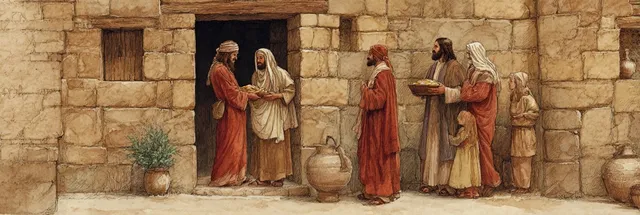
Chapters of 3 John
What is 3 John about?
The elder opens with affection for Gaius, whose soul prospers and whose life brings joy because he walks in the truth. Reports of Gaius's love, shown through practical support of itinerant workers, lead the elder to urge ongoing, generous partnership so that such servants may go out for the sake of the Name without relying on pagans.
A sharp warning follows: Diotrephes loves to be first, refuses to receive the brothers, spreads unjust charges, and even blocks others who want to help. The elder promises to address this behavior personally when he comes. By contrast, Demetrius has a good testimony from everyone and from the truth itself; he is put forward as an example to imitate.
The letter closes with hopes for face-to-face fellowship and greetings between friends, reflecting the warm, relational fabric of early Christian communities.
Who wrote 3 John?
Traditionally attributed to John the elder/apostle, within the Johannine circle.
What's 3 John's meaning and significance?
3 John teaches that truth expresses itself in hospitality and partnership. Churches must welcome faithful workers, resist domineering leaders who reject apostolic witness, and imitate what is good, not evil.
Is 3 John an important book?
The letter is important for the theology and practice of truth, hospitality, mission partnership, leadership integrity, discernment, imitation, and fellowship. It ties orthodoxy to concrete love and safeguards the church from prideful control.
When was 3 John written?
Commonly dated AD 85–95, late first century.
What are the main sections of 3 John?
3 John moves from joy over Gaius's truth and hospitality, to rebuke of Diotrephes's arrogance, to commendation of Demetrius and a personal closing.
The main sections of 3 John are:
-
Greeting and joy in truth 3 John 1:1–4The elder blesses Gaius and rejoices that he walks in the truth.
-
Commendation of hospitality 3 John 1:5–8Gaius is praised for supporting itinerant workers; urged to send them on their way worthily for the sake of the Name.
-
Warning about Diotrephes 3 John 1:9–11Diotrephes rejects authority and refuses the brothers; do not imitate evil but good.
-
Recommendation of Demetrius and closing 3 John 1:12–15Demetrius has a good testimony; hope for face-to-face fellowship; greetings among friends.
Key Elements of 3 John
Understanding the main themes, important people, significant places, and key concepts in 3 John helps us grasp its message and apply it to our lives today.
Key Themes
Key Concepts
Key People
Key Places
Chapters of 3 John
Select a chapter to read and study: