2 Thessalonians, the fifty-third book of the Bible, builds on Paul's first letter to the Thessalonians. Confusion had arisen about the day of the Lord, with some believers unsettled by false reports. Paul writes to calm fears, teach about future events, and exhort perseverance.
He reminds them that Christ has not yet returned, explains signs that must precede His coming, and calls the church to stand firm in truth and continue in faithful work rather than idleness.
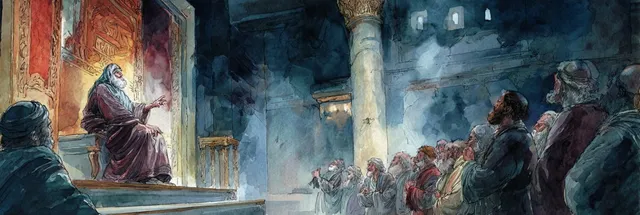
Chapters of 2 Thessalonians
What is 2 Thessalonians about?
Paul begins with thanksgiving for the Thessalonians' growing faith and love amid persecution, boasting of them among other churches. He assures them that God is just: afflictors will face judgment, while believers will share Christ's glory when He comes.
In chapter 2, Paul tackles confusion about the day of the Lord. He insists it has not arrived; first must come a great rebellion and the revealing of the man of lawlessness, whom the Lord will destroy with His breath. God allows deception for those who reject truth, but believers are chosen for salvation through sanctification by the Spirit and belief in the truth. Paul exhorts them to hold fast to the traditions received.
Chapter 3 warns against idleness. Some had stopped working, perhaps expecting Christ's imminent return. Paul commands discipline, urging believers to imitate his example of labor and not grow weary in doing good. The letter ends with a benediction of peace and Paul's handwritten greeting.
Who wrote 2 Thessalonians?
Written by the apostle Paul, with Silvanus (Silas) and Timothy (1:1).
What's 2 Thessalonians's meaning and significance?
2 Thessalonians teaches that hope in Christ's return leads not to fear or idleness, but to steadfast faith and diligent living. Believers are to stand firm in truth, resist deception, persevere through trials, and continue working in quiet faithfulness until the Lord comes.
Is 2 Thessalonians an important book?
The letter is significant for the theology of eschatology, perseverance, judgment, sanctification, truth, discipline, and hope. It provides balance: Christ's coming is certain, but God's timing requires patient endurance and ongoing labor.
When was 2 Thessalonians written?
Usually dated AD 50–52, likely soon after 1 Thessalonians, from Corinth.
What are the main sections of 2 Thessalonians?
The letter moves from encouragement in persecution, to clarification about Christ's return, to exhortations for discipline and steady work.
The main sections of 2 Thessalonians are:
-
Thanksgiving and encouragement in affliction 2 Thessalonians 1Faith and love growing; God's righteous judgment; glory of Christ revealed at His coming.
-
The day of the Lord clarified 2 Thessalonians 2Events before Christ's return; man of lawlessness; call to stand firm in truth and tradition.
-
Warning against idleness and final blessing 2 Thessalonians 3Command to work quietly; discipline for the idle; perseverance in doing good; closing peace and benediction.
Key Elements of 2 Thessalonians
Understanding the main themes, important people, significant places, and key concepts in 2 Thessalonians helps us grasp its message and apply it to our lives today.
Key Themes
Key Concepts
Key People
Key Places
Chapters of 2 Thessalonians
Select a chapter to read and study: